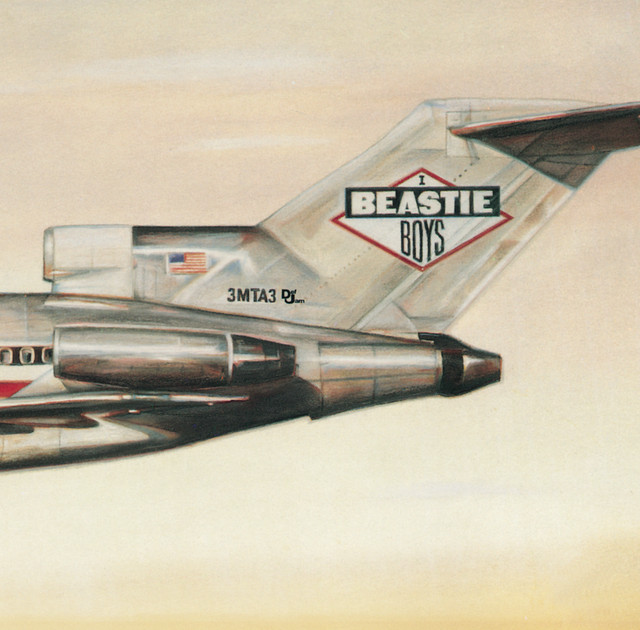
The Anthem of Rebellion
When the Beastie Boys released "Fight For Your Right (To Party!)" in 1986 on their debut album, *Licensed to Ill*, they didn't just create a hit; they ignited a cultural phenomenon. This rap-rock anthem, produced by Rick Rubin, became synonymous with adolescent rebellion, empowering young people to challenge authority and societal norms.
Defiance and Individualism
The song’s core message centers on the defiance against parental restrictions and societal expectations. Lines like
encapsulate the frustration of youth being stifled by rules. This sentiment resonated particularly in the mid-80s, a time when individualism was gaining traction in youth culture."You wake up late for school, man, you don't wanna go"
Party as Protest
The phrase “Fight for your right to party” serves as both a literal call to action and a metaphorical stand against the constraints placed on young people. The Beastie Boys cleverly frame partying not just as a recreational activity, but as a form of self-expression and liberation. In a society that often stigmatized youth culture, this anthem transformed the act of partying into a rebellion.
Cultural Context and Adolescent Movements
The late 1980s saw a burgeoning of adolescent liberation movements, with young people advocating for their rights in various domains—be it education, music, or personal freedom. "Fight For Your Right" became an unofficial soundtrack to these movements, lending its energy to protests and gatherings where youth demanded to be heard.
Legacy of Rebellion
Even decades later, the song continues to resonate with new generations. Recent social movements like the climate strikes led by young activists echo the same rebellious spirit. The desire to break free from established norms and advocate for change is as relevant now as it was in the 80s.
Conclusion: More Than Just a Party Anthem
Ultimately, "Fight For Your Right" transcends its label as a party anthem. It stands as a cultural touchstone that encapsulates the spirit of adolescent rebellion, pushing back against the constraints of authority. The Beastie Boys may have intended to poke fun at the very culture they were representing, but the impact of their work has been anything but trivial in the landscape of youth activism.
Interestingly, the Beastie Boys themselves later distanced from the party-centric message, emphasizing the importance of social responsibility in their later works.