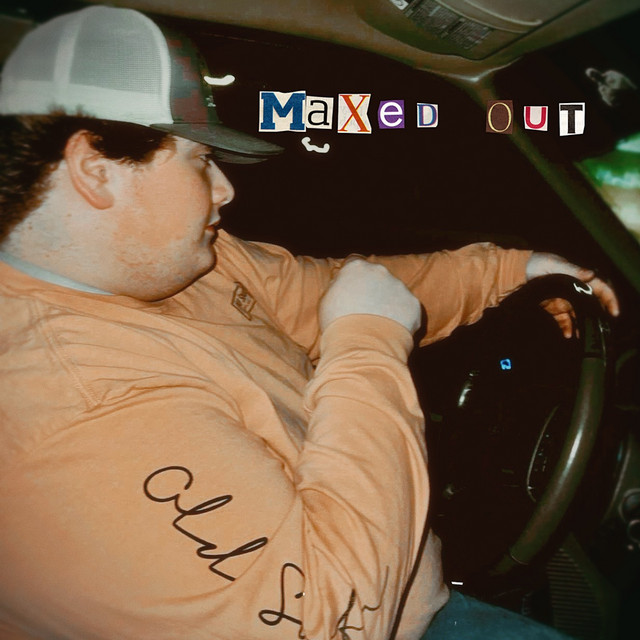
Symbols of Regret in 'Maxed Out'
Bayker Blankenship's ascent in the country music scene has been nothing short of meteoric. His track "Maxed Out," which recently debuted on the Billboard Canadian Hot 100, is a haunting exploration of regret, layered with potent symbolism. The song captures the essence of a relationship that has pushed past its limits, a theme that resonates with anyone who’s faced the consequences of their choices.
At the core of "Maxed Out" is the recurring motif of signs—road signs, warning signs, and unheeded messages. These symbols serve as metaphors for the moments in life where one can either heed caution or push through recklessly. Blankenship opens the song with the line,
This admission of ignoring warnings sets the stage for a narrative steeped in regret."I saw the signs, but I was blind, chasing dreams that weren't mine."
Chasing Dreams and Ignoring Reality
The imagery of signs extends beyond mere visual cues; it reflects a deeper struggle with self-awareness. Throughout the track, Blankenship conveys a sense of longing and desperation as he navigates the wreckage of his decisions. The act of “chasing dreams” can often lead to a disconnect from reality, and Blankenship’s lyrics articulate this conflict with stark clarity.
As the song progresses, the symbolism of signs becomes more pronounced. He reflects on a pivotal moment with the line,
The yellow light, typically a warning to slow down, serves as a poignant reminder of the choices that led him to this metaphorical dead end. It’s a moment of reckoning, where the thrill of speeding through life is met with the harsh reality of consequences."Every yellow light I ran, now I’m stuck in this dead end."
Regret as a Narrative Thread
Regret weaves through the lyrics of "Maxed Out" like a thread through fabric, creating a narrative that feels personal yet universal. Blankenship doesn’t shy away from the emotional turmoil that accompanies his reflections. The line,
encapsulates this sentiment perfectly. It highlights the feeling of being trapped in one’s decisions, a common thread in stories of heartbreak and loss."Now I’m counting all the signs that I should’ve read, but I’m too far gone to turn back now,"
In the chorus, the repetition of the phrase “maxed out” serves as a metaphorical barrier. It emphasizes the limits one reaches in emotional and relational contexts. The repetition reinforces the idea that the narrator is not just reflecting on past choices but is simultaneously grappling with the weight of those choices. It’s a clever use of language that allows listeners to feel the heaviness of regret without overtly spelling it out.
A Captivating Reflection on Life's Choices
The production of "Maxed Out," helmed by Blankenship himself, complements the lyrical themes beautifully. The melancholy melody, paired with his soulful vocals, creates an atmosphere that feels both intimate and expansive. It’s this combination that has catapulted Blankenship into the spotlight, allowing him to connect with fans on a profound level.
As he navigates through the emotional landscape of regret, Blankenship articulates a struggle that many can relate to. The signs he encounters are not merely markers on a road but reflections of choices that weigh heavily on the mind. In a genre often celebrated for its storytelling, "Maxed Out" stands out as a raw and honest portrayal of the human experience.
Interesting fact: Bayker Blankenship's "Maxed Out" has quickly become a viral hit, reflecting the growing trend of introspective storytelling in modern country music.
The symbolism of signs in "Maxed Out" lays bare the complexities of navigating life’s choices. Blankenship’s ability to translate these emotions into captivating lyrics ensures that listeners are not just passive observers but active participants in the journey of regret.