The Tyranny of Power
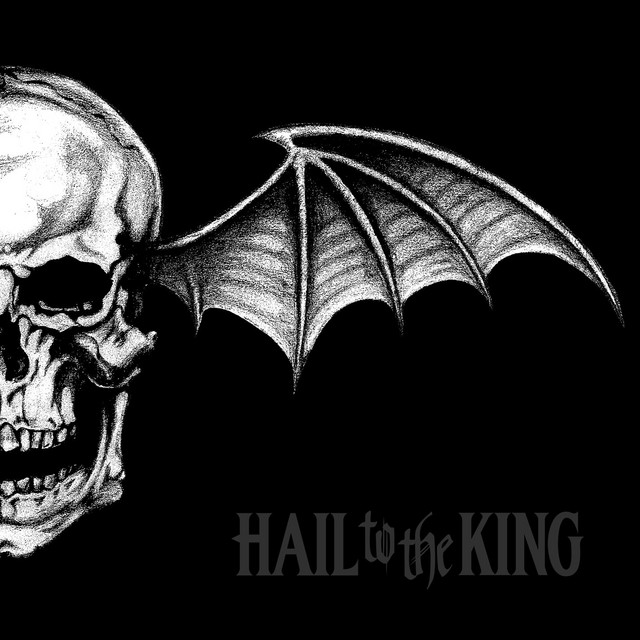
Avenged Sevenfold's "Hail to the King," the lead single from their sixth studio album released in 2013, is more than just a heavy metal anthem; it is a chilling exploration of authority, power, and the historical figures who wielded it. With its thunderous riffs and commanding lyrics, the song draws parallels to the tyrants of history, evoking a sense of both reverence and rebellion.
The album, produced by Mike Elizondo, showcases a transition for the band, incorporating classic heavy metal elements while maintaining their signature sound. The title track stands out as a bold proclamation of dominance, encapsulating the essence of tyrannical rule.
Historical Echoes
The lyrics of "Hail to the King" serve as a rallying cry for those who have succumbed to the allure of power. Lines like
resonate with the cyclical nature of tyranny. This phrase, historically uttered during transitions of power, reminds listeners of the fleeting nature of leadership and the bloodshed often accompanying it."The king is dead, long live the king"
From the likes of Julius Caesar to modern authoritarian figures, the song reflects the complex relationship between rulers and their subjects. The imagery of a king on a throne, surrounded by loyal subjects yet also facing rebellion, mirrors the historical reality of tyrants who often inspire both fear and admiration.
Power and Rebellion
Musically, the song bolsters its themes with a sense of grandeur. The orchestration and guitar solos evoke an epic battle, much like the struggles faced by oppressed peoples throughout history. The driving force of the chorus, which commands attention, can be seen as a metaphor for the intoxicating nature of power.
Moreover, the line
speaks to the notion of rebellion against oppressive regimes. It suggests a duality where the king is both a tyrant and a target, hinting at the inevitable pushback from the populace. This dual perspective adds layers to the song, making it not merely a glorification of power but also a commentary on its consequences."I’ll be the one to take you down"
The Cultural Context
In a world where autocratic leaders have resurfaced in various forms, the relevance of "Hail to the King" becomes even more pronounced. The band taps into a collective consciousness that has witnessed revolutions, uprisings, and the rise and fall of empires. The song’s themes echo the sentiments of those who have grappled with oppressive forces, making it a timely anthem for resistance.
Avenged Sevenfold’s heavy metal roots ground the song in a tradition of rebellion, where music often serves as a form of protest against tyranny. The raw energy of the track channels the frustrations of those who feel disenfranchised, while also recognizing the allure of power.
Interesting fact: The phrase "The king is dead, long live the king" has been used historically to signify the end of one monarch’s reign and the immediate succession of another, highlighting the continuity of power.
Conclusion
Ultimately, "Hail to the King" stands as a powerful reflection of the complexities surrounding authority and tyranny. Avenged Sevenfold masterfully intertwines historical references with contemporary issues, creating a song that is both anthemic and thought-provoking. As listeners raise their fists in solidarity, they are reminded of the eternal struggle between the oppressor and the oppressed, making the track an enduring metal classic.