The Birth of a Classic
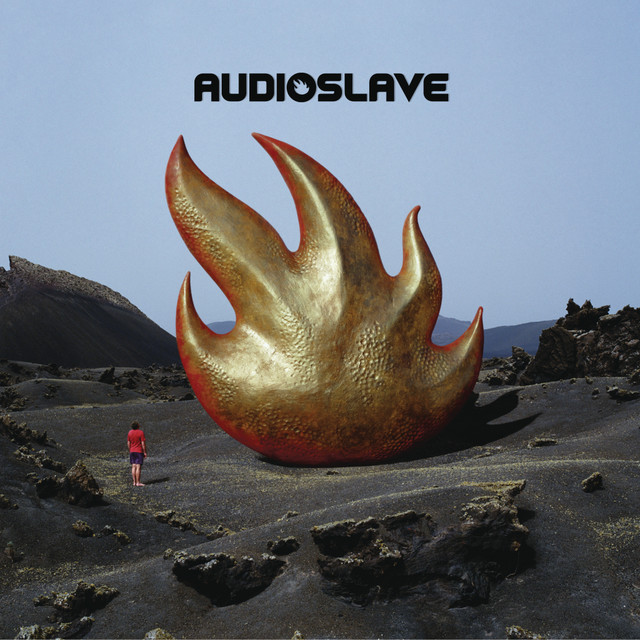
Released on September 10, 2002, as the lead single from Audioslave's self-titled debut album, "Cochise" marked a seismic shift in rock music. The collaboration between Soundgarden's Chris Cornell and Rage Against the Machine's instrumentalists reshaped expectations, blending ferocious guitar riffs with Cornell's soaring vocals.
What sets "Cochise" apart is its palpable energy, largely fueled by the band’s commitment to improvisation during both songwriting and recording. The song's opening riff, a brutal yet melodic guitar line, was born from a jam session that eschewed the traditional structure. This spontaneity is a hallmark of the band's approach, allowing them to capture raw emotion rather than polished perfection.
Improvisation in Action
The creative process behind "Cochise" was anything but conventional. Guitarist Tom Morello has described how the band would often let the music flow organically: "We would just start jamming, and whatever came out, came out." This approach enabled the musicians to explore various musical ideas without the constraints of a predetermined framework.
During one of these jam sessions, a chorus emerged that would become iconic. The phrase “Cochise” itself is a nod to the legendary Apache leader, and its use within the song creates a sense of urgency and defiance. The lyrics reflect a struggle, a call to arms that resonates with the song's explosive sound.
"I’m in your head, I’m in your head!"
This line, delivered with fierce intensity, showcases Cornell's ability to channel the improvisational spirit into something deeply personal. It's a reflection of his emotional state, underscored by the chaotic yet controlled instrumentation surrounding him.
The Role of the Producer
Rick Rubin, a producer known for his minimalist approach, played a crucial role in shaping the album's sound. He encouraged the band to embrace their rawness. Rubin's influence allowed the improvisational elements to shine through without being overproduced. What listeners hear in "Cochise" is not just a song; it's a moment captured in time, a snapshot of creative freedom.
Interesting fact: The song's title pays homage to Cochise, a prominent Apache leader, symbolizing resistance and strength.
A Lasting Impact
As "Cochise" blasts through speakers, it becomes clear that the song's essence is rooted in the spontaneity of its creation. The improvisational nature not only enhanced the musicianship but also fostered a sense of urgency that is palpable in every note. The blend of Cornell's impassioned delivery with Morello's innovative guitar work creates an experience that transcends mere listening; it's an invitation to feel.
The legacy of "Cochise" continues to inspire musicians across genres. Its raw energy and fearless approach to songwriting serve as a reminder of the power of improvisation in music. Audioslave didn’t just create a song; they ignited a movement, urging artists to embrace spontaneity and authenticity.