Unraveling the Chaos
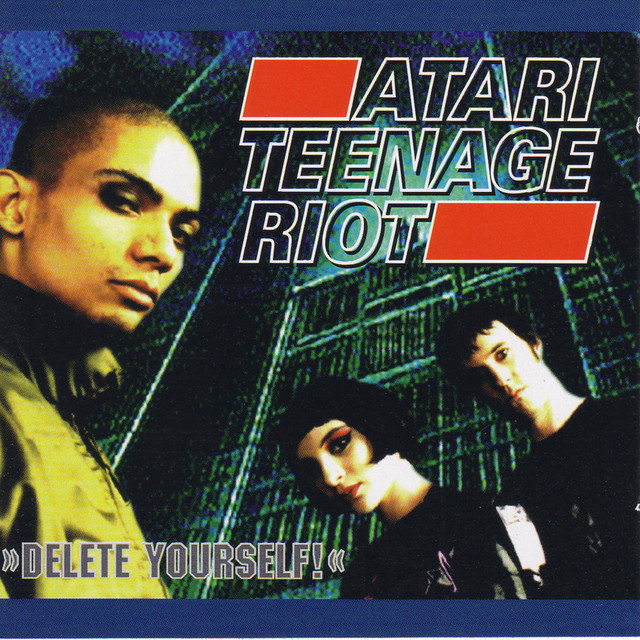
Atari Teenage Riot's "Sex" is a sonic grenade that encapsulates the band's ethos and the chaotic times they inhabit. Released in 1995 on their debut album Delete Yourself!, the track's frenetic energy is not just a hallmark of digital hardcore but a reflection of the disconnection that permeates modern life. The song’s abrasive production mirrors the alienation experienced in a society increasingly dominated by technology and disconnection.
Production as a Reflection of Theme
The chaotic blend of sounds in "Sex" — from distorted beats to aggressive, almost incomprehensible vocals — serves to immerse the listener in a world that feels both overwhelming and isolating. This disarray is not merely for shock value; it is a calculated approach to highlight the very themes of disconnection that Atari Teenage Riot seeks to address. The song opens with a barrage of synthesized noise that immediately sets a tone of discord.
"Sex -- it's a dirty word / It's a dirty mind / It's a dirty world"
These lyrics capture the essence of how intimacy and connection have been tainted in a commodified world. The repetition of the word 'dirty' emphasizes a sense of degradation, pointing to how societal values have shifted, leaving genuine connection in the dust.
Context of a Digital Age
Formed in Berlin amidst the tumult of the early '90s, Atari Teenage Riot emerged as a voice of dissent, fusing anarchist and anti-fascist sentiments with an audacious sound. The chaotic production of "Sex" reflects their political urgency, illustrating a world where human connections are often replaced by digital interactions. The relentless pace of the track mirrors the overwhelming nature of contemporary life, where speed and disconnection reign supreme.
The term 'digital hardcore' was coined in part to describe Atari Teenage Riot's sound, which melded punk energy with electronic music, creating a new genre that highlighted societal angst.
The Underbelly of Modern Relationships
In the context of the lyrical content, "Sex" offers a raw exploration of modern relationships. The chaotic production parallels the confusion and disorientation often felt in personal connections that are influenced by societal expectations and digital facades. The song becomes an anthem for those who feel trapped in a cycle of transient interactions devoid of real emotional depth.
"I want to be your friend / I want to be your lover"
Here, the yearning for connection is stark against the chaotic backdrop, underscoring the struggle between desire and the barriers erected by a hyper-commercialized society. This duality is where ATR thrives, revealing how the very mechanisms designed to connect us often end up isolating us further.
A Legacy of Disconnection
The chaotic elements of "Sex" serve a greater purpose than mere aesthetic. They are a sonic representation of a generation grappling with disconnection on multiple fronts — familial, romantic, and societal. As ATR continues to influence contemporary artists, their message remains relevant: the fight against alienation is ongoing, and the chaos of our world is something we must confront.
Atari Teenage Riot's "Sex" is not just a song; it's a commentary on the state of human relationships in a digital age. The disarray found in the production is a mirror reflecting the disconnection that defines our interactions, pushing listeners to confront the uncomfortable realities of their own lives.