The Soundtrack of a Generation
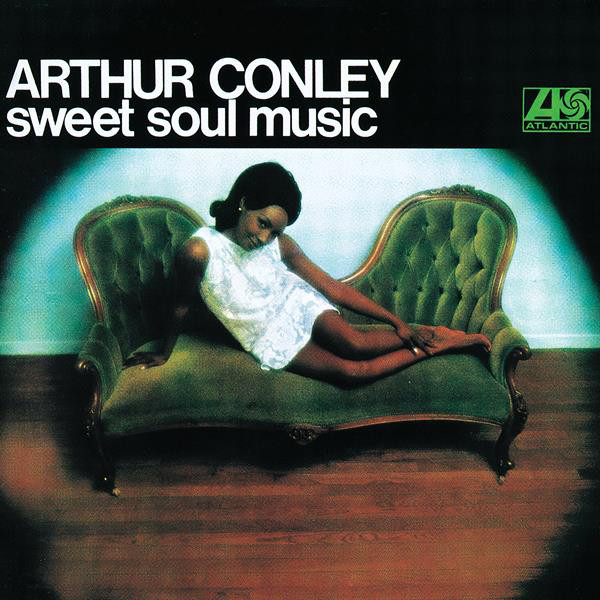
Arthur Conley’s "Sweet Soul Music," released in March 1967, stands as a vibrant celebration of soul music's golden era. Written in collaboration with the legendary Otis Redding, the track isn't just a hit; it's an homage to the artists who shaped the genre. It’s easy to get lost in the infectious groove and catchy refrain, but it’s the acknowledgment of these figures that adds depth to Conley’s work.
As Conley sings, the song lists iconic names—Sam Cooke, James Brown, and even Redding himself—laying out a blueprint of influence. However, the legacy of these artists often gets overshadowed by their commercial success. It’s time to explore the overlooked contributions of those mentioned in this soul anthem.
Sam Cooke: The Pioneer
Sam Cooke, often referred to as the “King of Soul,” had a profound impact on the genre. His ability to blend gospel roots with pop sensibility paved the way for countless artists. Cooke’s smooth vocals and socially conscious lyrics, as heard in tracks like "A Change Is Gonna Come," are a testament to his artistry. Conley’s nod to him in "Sweet Soul Music" is more than a tribute; it acknowledges Cooke's role in shaping the soundscape of the 1960s.
Interestingly, Cooke's influence extends beyond music; he was a key figure in the civil rights movement, using his platform to advocate for change.
James Brown: The Godfather of Soul
James Brown’s contribution to music is undeniable. His rhythmic innovation and electrifying stage presence redefined performance in the 60s. Tracks like "I Got You (I Feel Good)" showcased his ability to fuse funk with soul, creating a sound that is still sampled in contemporary music. When Conley sings about Brown, he captures the essence of an artist who was not only a musician but a cultural icon who broke racial barriers.
“And let me tell you about this man, he’s got a certain style.”
Brown’s impact is evident in nearly every genre today, making Conley’s mention of him a significant moment of reverence.
Otis Redding: The Heart and Soul
Otis Redding is perhaps one of the most celebrated figures in soul music, and his collaboration with Conley solidifies their shared legacy. Redding’s raw, emotional delivery in songs like "Sittin' On The Dock of the Bay" set a standard for vulnerability in music. His tragic death at a young age only adds to the mystique surrounding his artistry. Conley’s acknowledgment of Redding in "Sweet Soul Music" serves as a reminder of the depth and breadth of Redding’s influence on both Conley and the genre itself.
Aretha Franklin: The Queen’s Influence
While Aretha Franklin isn’t directly mentioned in Conley’s lyrics, her influence looms large in the soul genre. Known for her powerful voice and commanding presence, Franklin’s tracks like "Respect" and "Think" have become anthems of empowerment. She paved the way for female artists in soul music and beyond. Her legacy is woven through the fabric of the artists referenced in "Sweet Soul Music," underscoring the importance of female voices in a predominantly male-centric genre.
The Ripple Effect
The artists celebrated in "Sweet Soul Music" were not merely contemporaries; they were the architects of a movement that transformed American music. The interplay of their influences can be heard in today’s R&B and soul artists who continue to draw inspiration from this rich legacy. Yet, it’s crucial to remember that their contributions extend beyond the charts; they helped shape cultural narratives and fostered a sense of identity among African Americans during a tumultuous time in history.
Conley’s song, while catchy, is a critical reminder of the interconnectedness of these artists. The legacy of Sam Cooke, James Brown, and Otis Redding goes beyond their individual contributions; it reflects a collective spirit that defined soul music. In celebrating them, we honor the very fabric of a genre that continues to evolve yet remains rooted in the past.