Subversive Symbolism in a Pop Context
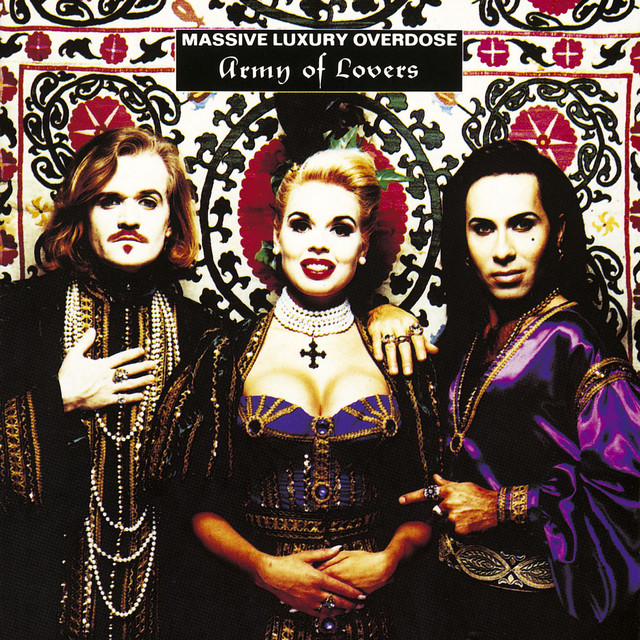
When Army of Lovers released "Crucified" in 1991, they didn’t just drop a catchy Eurodance track; they launched a cultural commentary wrapped in flamboyant imagery and religious iconography. The song, the lead single from their album Massive Luxury Overdose, became an anthem that challenged norms, both musically and visually.
With its infectious melody and danceable beat, "Crucified" topped charts across Europe, yet its lyrics and visuals were anything but conventional. The band, known for their theatrical flair, embraced a provocative narrative that drew from Christian symbolism, questioning the relationship between faith and sexuality.
"I am crucified, crucified like my Savior"
This line encapsulates the song's audacity, presenting the act of crucifixion not just as a religious motif, but as a metaphor for personal suffering and societal rejection. The imagery was not merely for shock value; it resonated with listeners grappling with their identities in a world often hostile to difference.
The Aesthetic of Provocation
Visually, Army of Lovers took the concept further in their music video, which featured opulent costumes and a surreal, Baroque-inspired set. The video is a vivid representation of the band's ethos: a flamboyant celebration of sexuality, juxtaposed against the somber imagery of crucifixion. This aesthetic was a bold statement during a time when pop culture was beginning to embrace more open discussions about gender and sexuality.
In the early 90s, the mainstream hadn’t fully caught up to the LGBTQ+ narratives that Army of Lovers was pushing. By incorporating religious themes, the band invited listeners to confront their own beliefs about sin, martyrdom, and liberation. This boldness paved the way for future artists who would similarly explore the intersections of faith and identity.
Pop Culture and the Religious Narrative
The impact of "Crucified" extended beyond music charts. It became a touchstone for 90s pop culture, symbolizing a shift toward more inclusive representations. Artists like Madonna had already begun using religious imagery to provoke thought and challenge societal norms, yet Army of Lovers added a fresh perspective with their unabashed flamboyance. The song set a precedent for how pop could serve as a vehicle for deeper conversations.
"The power of love is a mighty thing"
This lyric hints at a theocratic revolution where love transcends traditional boundaries. It positions the song within a larger narrative about liberation through love—an idea that would resonate throughout the decade, especially during the rise of queer visibility in music.
Legacy of 'Crucified'
Years later, the influence of "Crucified" remains palpable. Artists like Lady Gaga and Sam Smith have taken cues from Army of Lovers, utilizing religious imagery to explore themes of identity and acceptance. The audacity of Army of Lovers to blend pop appeal with challenging themes opened doors for subsequent generations of musicians.
Interesting fact: "Crucified" was one of the biggest-selling European singles of 1991, illustrating its massive impact across the continent.
The song's legacy is a testament to the power of music as a platform for social commentary. Army of Lovers didn’t just make a catchy track; they crafted a cultural artifact that continues to inspire artists to confront the complexities of faith, sexuality, and identity in their work.