Defining the Moment
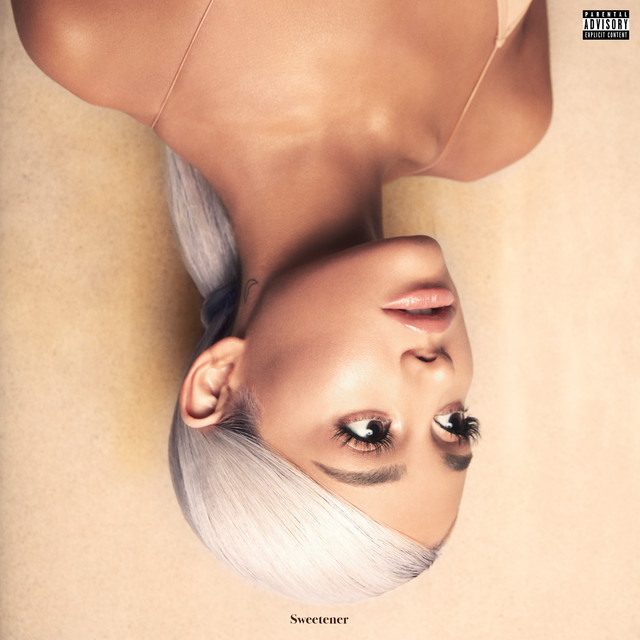
When Ariana Grande released "God Is a Woman" in July 2018, it was more than just a single from her acclaimed album, *Sweetener*; it was a cultural statement. The track, produced by Ilya Salmanzadeh and Grande herself, emerged in the wake of the #MeToo movement, a time when women were reclaiming their narratives and demanding respect.
The song encapsulated this spirit with its urgent assertion of female power. Lines like
not only highlight sexual agency but also celebrate the divine feminine. In a climate where women's voices were increasingly heard, Grande's anthem felt like a call to arms."You, you love it how I move you / You love it how I touch you"
Beyond the Music Video
The music video for "God Is a Woman" further cemented its impact, filled with vivid imagery and striking visuals. Grande positions herself at the center of a lush, colorful landscape, often surrounded by women, challenging the long-held notion of male-centric narratives in music and art. The imagery, punctuated by religious undertones, prompts listeners to consider the divine not as a singular male figure but as something that exists in the feminine.
Did you know? The song debuted at number 11 on the Billboard Hot 100, showcasing its immediate impact on pop culture.
Lyrics as a Reflection of Society
In the chorus, Grande boldly declares,
pushing against societal expectations. This sentiment resonates powerfully within the #MeToo movement, where women have shattered the constraints imposed on them. By claiming space and challenging the status quo, Grande's lyrics reflect a collective uprising."And I can be all the things you told me not to be"
The song's production, a blend of pop and trap influences, mirrors its thematic ambitions. The pulsating beats and ethereal sounds provide a backdrop that feels both contemporary and timeless, ensuring that the message of empowerment remains relevant.
The Reception and Its Implications
The reception of "God Is a Woman" was overwhelmingly positive, with critics lauding its boldness and artistry. It became a rallying cry for many in the feminist movement, further amplifying Grande's role as a figure of empowerment. In interviews, she expressed her intent to create music that inspires and uplifts, and this track exemplifies that mission.
As discussions around women's rights and equality continue to unfold, the song stands as a cultural artifact of a pivotal time. It captures the essence of a movement that challenges misogyny and celebrates femininity in all its forms. Grande's ability to weave personal narrative with universal themes of empowerment makes "God Is a Woman" not just a song, but a modern feminist anthem.
Legacy in the #MeToo Era
Looking back, "God Is a Woman" symbolizes a shift in how female artists approach their craft. It’s a reminder that music can be a vehicle for social change, transcending mere entertainment to become a voice for the voiceless. As the #MeToo era continues to evolve, Grande’s track remains a powerful reminder of the strength found in vulnerability and the importance of owning one’s narrative.
In a world that still grapples with issues of gender inequality, Ariana Grande's "God Is a Woman" serves as a bold declaration that women are not just passive figures in someone else's story. They are, indeed, divine forces to be reckoned with.