The Heartfelt Origin
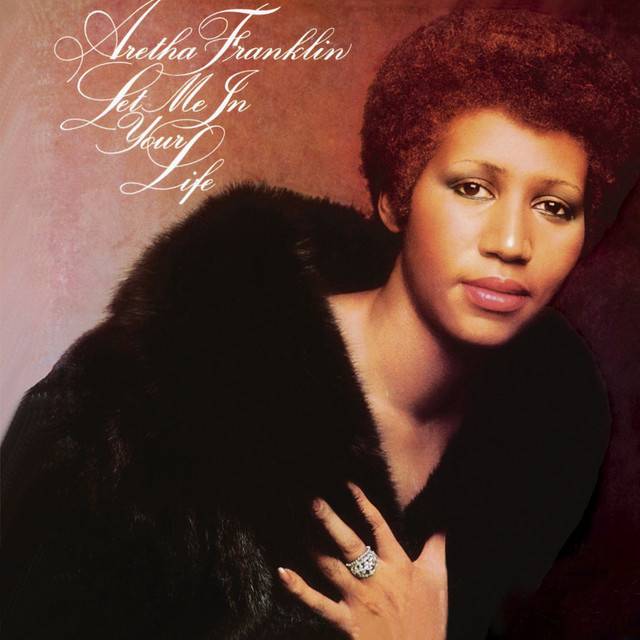
Aretha Franklin's "Until You Come Back to Me (That's What I'm Gonna Do)" stands as a testament to the power of love and longing. Released in 1973 on her album Let Me in Your Life, this track was penned by Morris Broadnax, Clarence Paul, and Stevie Wonder. It captures an emotional plea, showcasing Franklin's unparalleled ability to convey deep feelings through her voice.
A Resonance of Heartache
The song’s premise revolves around a lover's absence and the unwavering commitment to waiting for their return. Franklin’s delivery transforms the lyrics into an anthem of resilience. The line,
serves as a mantra for those grappling with unrequited love or separation."Until you come back to me, that's what I'm gonna do"
A Symbol of Resilience
What makes this song particularly poignant is its universal relatability. Heartbreak is a theme that transcends generations, and Franklin’s rendition transforms a personal sorrow into a shared experience. The emotional weight of her performance not only highlights vulnerability but also a fierce determination to hold on. Each note resonates with those who have faced the ache of waiting for love.
Comparative Context
This resilience echoes sentiments found in other significant soul songs. For instance, Sam Cooke’s "A Change Is Gonna Come" similarly channels a sense of hope amid struggle. Both songs speak to the human condition, emphasizing patience and endurance in the face of adversity. Franklin's approach, however, is uniquely infused with her gospel roots, allowing her to convey strength while navigating pain.
Musical Composition
The production, helmed by Arif Mardin, complements Franklin’s emotive vocal style. The lush arrangement, with its smooth strings and subtle horns, creates an atmosphere that feels both intimate and grand. The instrumentation mirrors the longing expressed in the lyrics, wrapping the listener in a cocoon of yearning.
Legacy of the Song
Decades later, "Until You Come Back to Me" remains a staple in discussions of resilience. It has been covered by various artists, but none capture the essence of the song quite like Franklin. Her version is not merely a performance; it is a powerful declaration of love's endurance, making it a timeless classic.
Emotional Impact
The emotional impact of this song can be felt in its ability to comfort those in heartache. The act of waiting, as described in the lyrics, becomes a form of strength rather than weakness. Franklin’s mastery lies in her ability to transform despair into a powerful narrative of hope.
Did you know? Aretha Franklin’s rendition peaked at number 3 on the Billboard Hot 100, solidifying her status as the Queen of Soul.
Conclusion
Aretha Franklin’s "Until You Come Back to Me" is more than just a song about waiting; it is an anthem of resilience. It speaks to the heart, reminding us that love, in its many forms, is worth the struggle. With every note and lyric, Franklin invites us to embrace our emotions and stand strong in the face of heartache, making it a timeless classic that continues to inspire.