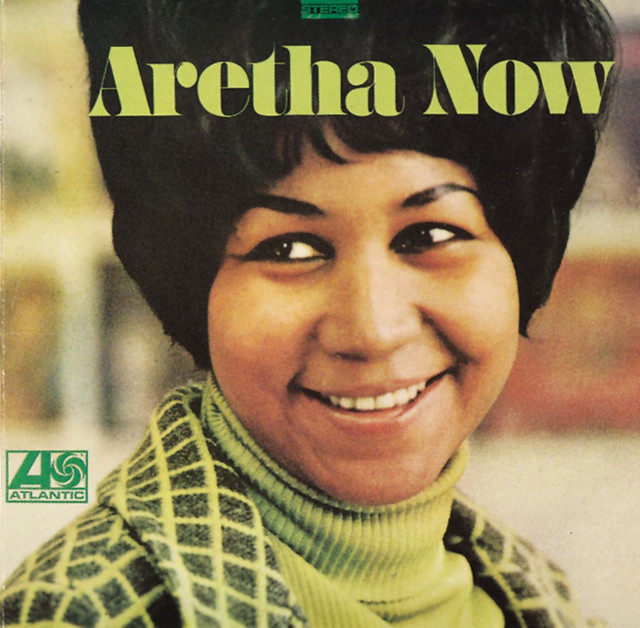
The Sound of Empowerment
Released in 1968, Aretha Franklin’s "Think" emerged not just as a chart-topping single, but as a fierce anthem amid the civil rights movement. Co-written with her then-husband Ted White, the song channels an urgency that matched the growing demand for social justice during a turbulent era in American history.
Musically, "Think" is a blend of gospel, soul, and rhythm and blues, showcasing Franklin’s powerhouse vocals. Its infectious groove, anchored by a compelling piano riff, makes it instantly recognizable. But it's the lyrics that transform it into something much more powerful.
Lyrics that Challenge
At its core, "Think" is a call to action. Franklin’s commanding delivery of the phrase "You better think" serves as both a personal and collective exhortation. The context of the late 1960s, when the demand for civil rights was reaching a fever pitch, amplifies its message. The insistence on critical thought and self-empowerment resonated with those fighting against systemic oppression.
"Think about what you're trying to do to me"
This line, repeated throughout the song, encourages listeners to reflect on their actions and their impact on others. It speaks directly to the heart of social justice, urging individuals to consider their roles within a larger societal framework.
A Voice for the Movement
Franklin's influence extended beyond music; she became a staple at rallies and protests. "Think" was frequently played at civil rights gatherings, where her message of self-awareness and empowerment was a rallying cry for those demanding equality. Her presence and her music acted as both a balm and a battle cry.
Interesting fact: "Think" was featured in the iconic 1980 film "The Blues Brothers," further cementing its status as a cultural touchstone.
During a time when African Americans were fighting for their rights, Franklin’s insistence on self-respect and strength became a necessary mantra. The song's rhythm and intensity made it not only danceable but also invigorating, infusing the movement with energy.
Legacy and Impact
The impact of "Think" has endured far beyond its initial release. Aretha Franklin was not just a performer but a cultural icon who used her platform for advocacy. The song has been covered and referenced by countless artists, each adding layers to its meaning. It reminds us that music can be a powerful vehicle for change.
In today's context, "Think" continues to be relevant. The call for introspection and consideration of one's choices is as vital now as it was in the 1960s. As movements for equality and justice surge across the globe, Franklin’s anthem serves as a reminder of the power of music to inspire action and provoke thought.
Conclusion
Aretha Franklin’s "Think" transcends its status as just another soul hit. It stands as a testament to the power of music in the face of social injustice. With its infectious rhythm and poignant message, it remains a rallying cry, urging each of us to think critically about our roles in the world.