The Unexpected Roots
When you think of Aretha Franklin, the Queen of Soul, your mind might wander to her monumental hits like "Respect" or "Natural Woman." However, her rendition of "Son of a Preacher Man" stands out not just for its soulful delivery but for its surprisingly complex origins. Originally penned by John Hurley and Ronnie Wilkins, the song was first recorded by Dusty Springfield in 1968 for her album, Dusty in Memphis.
A British Connection
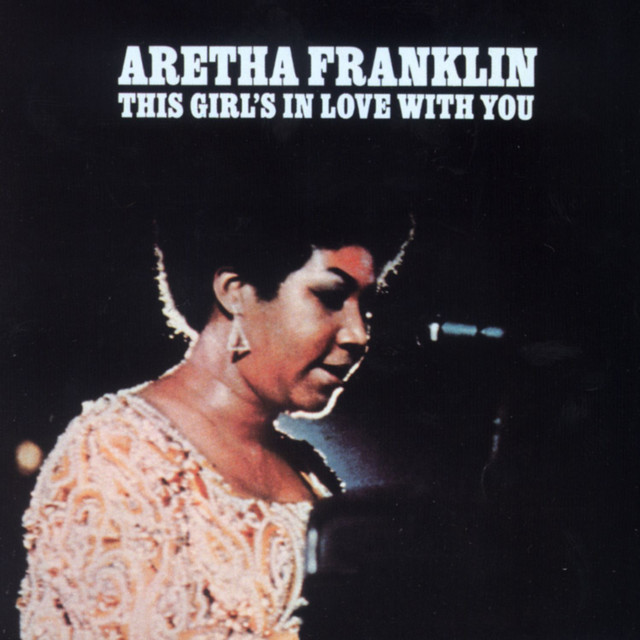
Dusty Springfield's version became iconic, but Franklin's cover in 1970 for her album This Girl's in Love with You took it to another level. The song's narrative revolves around a love affair with the son of a preacher, a theme that may seem straight out of a Southern Gothic novel. But what makes this song fascinating is its cultural crossover; a British artist's take on a distinctly American story, which Franklin then claimed as her own.
Lyrics that Capture Longing
The lyrics paint a vivid picture of desire and youthful rebellion. The opening lines set the stage for a love that feels both forbidden and intoxicating. Franklin's rendition brings a raw emotionality that is palpable. In her version, she imbues the line,
with a sense of nostalgia and yearning that Springfield's more restrained delivery lacks."He was the sweetest boy I ever did see"
The Song's Cultural Significance
Beyond its romantic narrative, the song also reflects the tension between religious upbringing and personal desires. Franklin, raised in the church, adds layers of complexity to the lyrics. Her background allows her to convey a deep understanding of the implications of loving a preacher's son. The struggle between piety and passion is palpable, making her interpretation not just a cover but a reimagining.
Production and Legacy
Produced by the legendary Jerry Wexler at Atlantic Records, Franklin’s version of “Son of a Preacher Man” features a tight rhythm section and lush background vocals that elevate the narrative. This production choice highlights her vocal prowess while grounding the song in a rich, soulful context.
Aretha's Unique Spin
While Dusty Springfield's version is undoubtedly iconic, Franklin's take redefines the song. Her vocal agility and emotional depth breathe new life into the lyrics, making it a defining moment in her storied career. The song showcases Franklin's ability to take existing material and transform it into something that feels uniquely hers.
The song became a staple in Franklin's performances, further solidifying its place in music history as a classic that bridges genres and generations.
A Lasting Impact
"Son of a Preacher Man" remains a testament to Franklin's artistry and interpretative power. It illustrates how a song can transcend its original context, becoming a vehicle for a deeper exploration of themes like love, faith, and rebellion. In her hands, every note and lyric feels like a personal story, echoing the struggles and joys of countless listeners.