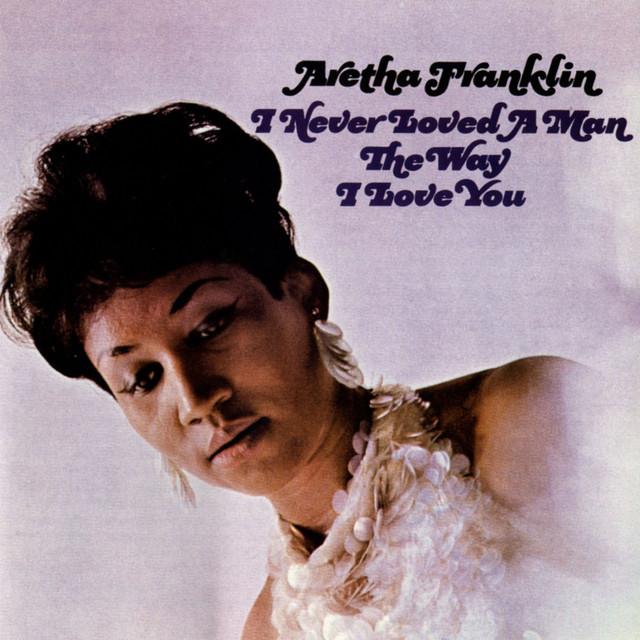
Breaking New Ground in Soul Music
Released on March 10, 1967, Aretha Franklin's album I Never Loved a Man the Way I Love You marked a seismic shift in the musical landscape. This was not just another soul record; it was a powerful statement about love, autonomy, and the complexities of relationships, delivered with Franklin's unparalleled vocal prowess.
The title track, I Never Loved a Man (The Way I Love You), became an anthem for women navigating the trials of love during a time when the feminist movement was gaining momentum. The song's raw emotion and honest lyrics captured the struggles and triumphs of women, making it a cornerstone of the feminist soundtrack of the decade.
Emotional Truths and Personal Agency
Franklin's delivery of the line,
reflects a deep devotion that runs parallel to the burgeoning idea of self-empowerment among women. While the lyrics convey a sense of sacrifice, they also encapsulate a woman's desire to love deeply and authentically, not just to play a subordinate role in a relationship."For you, I would do anything that you ask me to"
This sentiment resonated in the context of the 1960s, a period marked by a significant shift in gender dynamics. As women began to assert their independence, songs like Franklin's provided a soundtrack to their evolving identities. The emotional honesty in her music allowed women to explore their narratives beyond the traditional confines of love and domesticity.
Challenging Norms Through Soul
The production of the song, helmed by the legendary Jerry Wexler at Atlantic Records, gave it a polished yet gritty feel that enhanced its emotional weight. The fusion of gospel, soul, and R&B elements not only showcased Franklin's vocal range but also aligned with the broader cultural shifts happening at the time.
Franklin's insistence on expressing vulnerability was radical. In a genre often dominated by male perspectives, she flipped the script, asserting that women could be both powerful and emotionally invested. Her performance was not only a display of talent but an act of defiance against societal norms, making a compelling case for women's rights and emotional freedom.
The Feminist Movement's Soundtrack
As the feminist movement gained traction, songs like I Never Loved a Man became rallying cries. The emotional depth of Franklin’s lyrics provided a voice for women who felt marginalized. The line,
, encapsulated the internal conflict many women faced: the desire for love and the necessity of self-respect."I never loved a man the way that I love you"
Franklin's ability to convey both love and strength mirrored the duality many women experienced in their lives. The song’s success was not merely a commercial achievement; it was a cultural milestone that contributed to the evolving narrative around women's empowerment.
Legacy and Continued Relevance
The influence of I Never Loved a Man extends far beyond its initial release. It paved the way for future generations of female artists who would draw from Franklin’s blend of vulnerability and strength. Artists like Beyoncé and Alicia Keys have cited her as an inspiration, illustrating the song's lasting impact on the music industry and feminist discourse.
In today’s context, the themes of the song remain relevant. Women continue to grapple with love and agency, making Franklin's message timeless. The emotional authenticity she brought to the table challenges listeners to confront their own relationships and societal expectations.
Aretha Franklin's powerful rendition of this track helped it reach No. 1 on the Billboard R&B chart, solidifying her status as the "Queen of Soul".
Ultimately, I Never Loved a Man (The Way I Love You) is more than just a song; it is a cultural artifact that highlights a transformative moment in music and society. Aretha Franklin not only transformed the sound of soul music but also became a vital voice in the feminist movement, leaving an indelible mark on both.