Roots of Longing
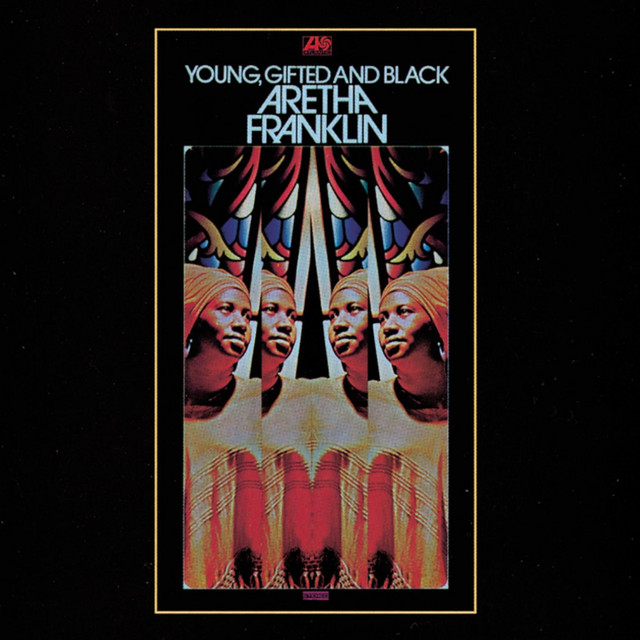
Aretha Franklin's "Day Dreaming," a standout track from her 1972 album Young, Gifted and Black, captures the essence of longing and innocent love. Released during a transformative era in music, the song spent two weeks at the top of the charts, showcasing Franklin's unparalleled vocal prowess and emotional depth.
The song's foundation is steeped in Franklin's own childhood experiences. Born in Memphis and raised in Detroit, her early years were profoundly influenced by the rich musical heritage surrounding her. The interplay of gospel and blues in her upbringing shaped not only her sound but also her understanding of love and desire.
A Grown Woman's Dreams
In "Day Dreaming," Franklin's lyrics reflect a bittersweet nostalgia for youth's simplicity and the complexities of adult relationships. The song opens with the line,
This imagery evokes the innocence of childhood daydreams, where love was uncomplicated and fantasies were limitless."Day dreaming, with my chin in the palm of my hand..."
Franklin's ability to convey longing is rooted in her own experiences of love as a child. Growing up in a household filled with music and faith, she learned early on about the power of affection and hope. Her father's role as a preacher and her mother's influence as a gospel singer provided a unique backdrop for understanding love's duality—its uplifting joy and its sometimes painful reality.
Love and Loss
The song's soulful melody complements its lyrical themes, creating a haunting atmosphere that underscores the yearning present in Franklin's voice. As the song progresses, she reveals layers of complexity in her emotions. The lines,
speak to the vulnerability that often accompanies love, echoing the uncertainty many feel when navigating relationships."And I’m day dreaming, with my heart in my hand..."
Franklin’s reflections on childhood longing are universal. Many listeners can trace their own experiences of love back to simpler, more innocent times. The notion of “day dreaming” serves as a metaphor for not only romantic aspirations but also the hope that our childhood dreams can manifest into reality.
Musical Craftsmanship
Produced by the legendary Arif Mardin, “Day Dreaming” blends elements of soul, jazz, and R&B, creating a sound that was distinctly Aretha yet accessible to a broader audience. The lush arrangements paired with Franklin's soaring vocals create an emotional resonance that remains impactful decades later.
Interestingly, "Day Dreaming" was released during a period when Franklin was cementing her status as the Queen of Soul, following hits like "Respect" and "Chain of Fools."
A Lasting Legacy
Aretha Franklin's "Day Dreaming" transcends mere nostalgia. It’s a powerful reminder of how our childhood experiences of love shape who we become. In a world that often complicates love, Franklin's ability to distill those feelings into a simple, yet profound melody is a testament to her artistry.
In a sense, "Day Dreaming" invites us to reflect on our own histories—what we dreamt of as children and how those dreams evolve. Franklin’s soulful delivery and the song's reflective lyrics continue to resonate, reminding listeners of the pure, unadulterated essence of longing.