The Torn Heart of a Queen
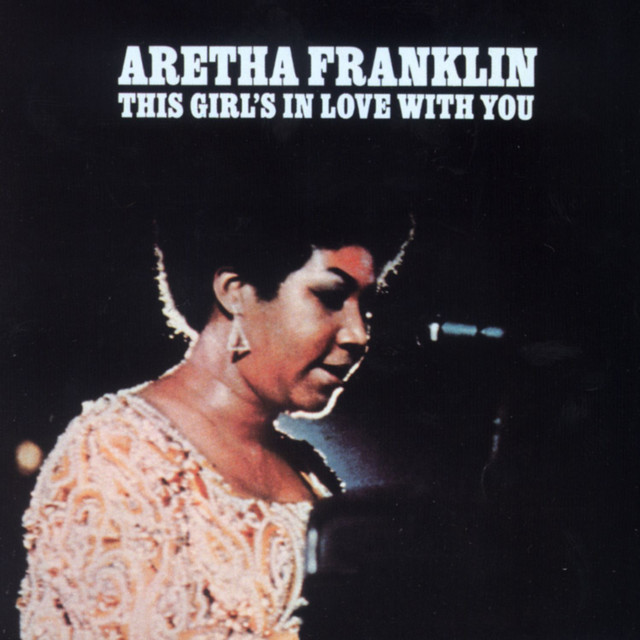
Aretha Franklin's "Call Me," released in 1970 on the album 'This Girl's in Love with You,' is a bold declaration of desire and vulnerability. With its lush orchestration, co-produced by Jerry Wexler, Tom Dowd, and Arif Mardin, the track reflects a complex interplay of love and longing that parallels Franklin's tumultuous personal life.
The song's lyrics invite an intimate connection, urging the listener to reach out with the line,
This sentiment is both inviting and revealing, showcasing Franklin's need for companionship amid her struggles. The desire to be wanted is a recurring theme in her relationships, often affecting how she navigated her romantic entanglements."Just call me, I'll be there, oh yeah, oh yeah."
Romantic Struggles and Yearnings
Franklin's relationships were often fraught with challenges, from her marriage to Ted White, which was marred by abuse, to her later partnerships that struggled under the weight of her fame. "Call Me" captures that yearning for connection in a way that transcends its upbeat tempo. The urgency in her voice reflects not just romantic desire but also a plea for emotional sustenance.
Many of her songs are steeped in personal experience, and "Call Me" is no different. It speaks to a woman who is both powerful and vulnerable, a dichotomy that would echo through her life. Franklin was a queen on stage, yet the lyrics reveal the insecurities that plagued her off it.
A Family Dynamic
Franklin's relationships extended beyond romantic interests; they included her children and her father, C.L. Franklin, a prominent preacher. The song's themes of reliability and support mirror her complicated role as a mother. With lyrics that evoke a call for connection, Franklin's desire for family closeness is palpable.
Her children often faced the brunt of her fame and personal issues, making the simple request in the song a poignant reminder of the emotional distance that can exist even in close quarters. The need to be called upon is a reflection of her yearning to maintain those vital familial bonds, even amidst the chaos of her career.
Legacy and Reflection
"Call Me" not only showcases Franklin's vocal prowess but also serves as a mirror to her personal struggles. It highlights a woman who, despite her success, often felt isolated. The interplay of love, need, and vulnerability resonates through her discography, making her one of the most relatable figures in music history.
In many ways, Franklin's career was a quest for acceptance, both from her partners and her audience. The repeated line,
isn't just an invitation; it’s a cry for connection that reflects her ongoing battle to reconcile her public persona with her private reality."Just call me, I’ll be there,"
A Call to Understanding
As we listen to "Call Me," we are reminded that Aretha Franklin's art is deeply intertwined with her life experiences. The song remains a powerful testament to love's complexities and the human desire for connection, serving as both a personal narrative and a universal theme that continues to resonate.
Interesting fact: "Call Me" was also featured in the 1970 film 'The Blues Brothers,' further cementing its cultural significance.