The Weight of Emotion
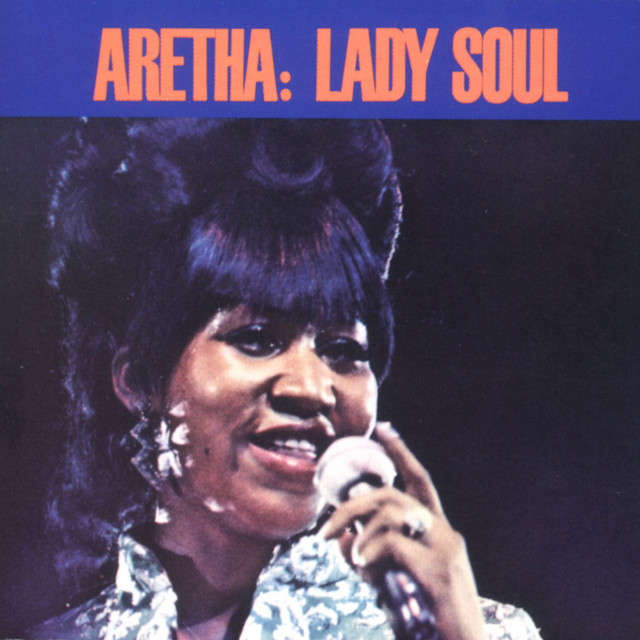
Aretha Franklin’s "Ain’t No Way" stands as one of the most heartbreaking yet powerful songs in her extensive catalog. Written by her sister Carolyn Franklin, the track was released in 1968 as the B-side to the hit single "(Sweet Sweet Baby) Since You’ve Been Gone." While it might be easy to overlook the song in the shadow of its more commercially successful counterparts, the emotional weight it carries is profound, deeply rooted in Aretha’s personal struggles.
A Complex Personal Life
At the time of the song’s release, Aretha was navigating complex and often tumultuous relationships. Her marriage to Ted White was fraught with difficulties, marked by domestic turbulence and personal strife. These challenges seep into the fabric of "Ain’t No Way," where vulnerability and longing are laid bare against a backdrop of soulful instrumentation.
Lyrics that Cut Deep
The lyric, "Ain't no way for me to love you, if you won't let me," encapsulates the essence of a love fraught with barriers. It reflects not just romantic despair but also the broader emotional landscape of her life. Aretha’s ability to convey this pain through her voice is unmatched, capturing a sense of yearning that many listeners can relate to.
"Ain't no way for me to love you, if you won't let me."
The Soul Behind the Sound
The production, helmed by the legendary Jerry Wexler, complements Aretha’s vocal prowess. The lush orchestration provides a contrast to the raw emotion in her delivery, emphasizing the depth of her pain. Aretha’s voice, rich and powerful, feels like a cry for help amidst a sea of uncertainty. The song’s slow, deliberate pace allows each note to linger, drawing the listener into her world of heartache.
Context of the Times
Released in an era of social upheaval and change, "Ain’t No Way" resonates on multiple levels. The late 1960s was a time when the civil rights movement was gaining momentum, and women were starting to assert their independence. Aretha’s struggles, both personal and societal, intertwined in her music, making her a voice not just for African Americans but for women everywhere. The themes of love and loss in "Ain’t No Way" echo the broader struggles faced by those who felt marginalized.
Legacy of Personal Truth
Ultimately, "Ain’t No Way" is more than a song; it is a testament to Aretha Franklin’s ability to transform her pain into art. The sincerity in her voice and the honesty in her lyrics create a connection that transcends time. In every note, you can hear the struggles she faced, making it a powerful anthem for anyone who has ever felt the weight of unreciprocated love.
Interesting fact: "Ain't No Way" was originally intended as a B-side but has since become one of Aretha's most beloved tracks, showcasing her ability to turn personal pain into universal themes.
The Enduring Impact
Aretha Franklin’s music continues to inspire generations, and "Ain’t No Way" is a prime example of how her personal struggles shaped her artistry. The song’s raw emotion and powerful delivery remind us that vulnerability can lead to some of the most impactful music. In revisiting this track, we not only celebrate Aretha’s legacy but also acknowledge the human experiences that connect us all.