Behind the Mask of 'Poison'
Alice Cooper's 1989 hit 'Poison' is a quintessential rock anthem, but beneath its catchy chorus lies a complex personal narrative that reveals much about the artist's life and struggles. Written by Cooper, producer Desmond Child, and guitarist John McCurry, the song marked a significant point in Cooper's career, re-establishing him in the music scene after a tumultuous period.
A Dark Reflection
At first glance, 'Poison' serves as a powerful metaphor for toxic relationships. The lyrics paint a vivid picture of love that is as intoxicating as it is harmful. Cooper sings,
—a line that encapsulates the push-pull dynamic of desire and danger, a theme that resonates with anyone who has experienced love's darker side."I want to love you, but I better not touch"
Resurgence and Reflection
In the late 1980s, Cooper was far from the theatrical rock god he had once been. After years of battling addiction and personal demons, 'Poison' represented not just a comeback, but a reckoning. The song's slick production, courtesy of Desmond Child, gave it a polished feel that contrasted sharply with the raw, gritty sound of his earlier work. This shift was intentional—Cooper was not just trying to attract a new audience; he was confronting his past.
The Personal Touch
Cooper's collaboration with Desmond Child, known for his work with other major artists, helped to infuse 'Poison' with a pop sensibility that broadened its appeal. Yet, the lyrics still reflect Cooper's personal struggles. For instance, lines like
reveal how love can become a substance that feels good but ultimately harms."Your poison like a pill"
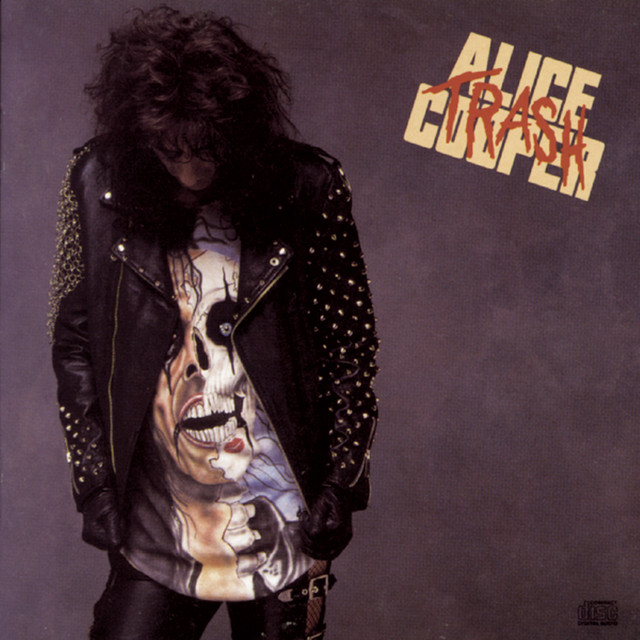
Interestingly, 'Poison' was part of Cooper's album 'Trash', which signaled his revival in the late '80s, bridging glam metal with classic rock.
Legacy of 'Poison'
As 'Poison' climbed the charts, it redefined Alice Cooper's legacy. The song has been interpreted as a reflection of the artist's own love-hate relationship with fame, addiction, and the music industry. It stands as a reminder that even the most glamorous personas can be rooted in personal turmoil.
A Lasting Impact
Today, 'Poison' remains a staple in Cooper's live performances, often eliciting nostalgic feelings among fans who remember the era of hair metal and glam rock. However, the song's true power lies in its exploration of vulnerability. By laying bare his struggles, Cooper invites listeners to recognize their own complexities within the framework of love and desire.
Conclusion
Alice Cooper's 'Poison' is more than just a catchy rock anthem; it is a testament to resilience and self-exploration. The unexpected personal history behind the song adds layers to its meaning, making it a timeless piece that continues to resonate with audiences today.