Melancholy in Music and Verse
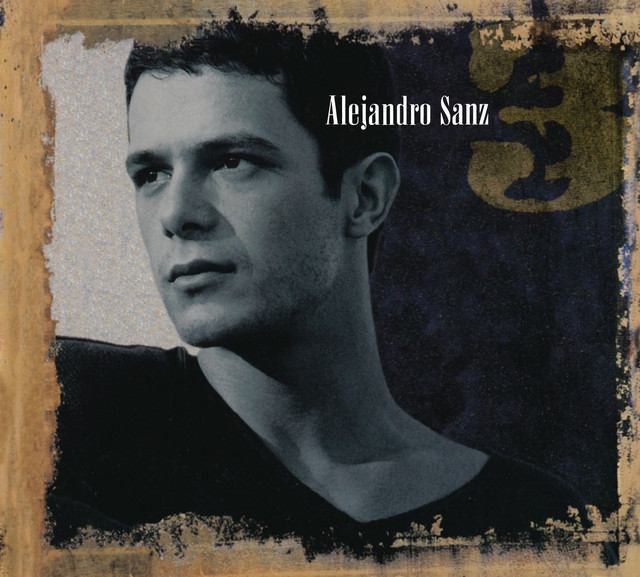
Alejandro Sanz’s 1997 track "Mi Soledad y Yo" from the album Más is a masterclass in evoking the complex emotions tied to solitude. The song, produced by Sanz himself, showcases his signature flamenco-infused pop style and lyrical depth. It paints a vivid picture of loneliness that echoes the sentiments found in the poetry of Antonio Machado, one of Spain's most celebrated poets.
Antonio Machado: A Voice of Solitude
Antonio Machado's poetry often grapples with themes of loss and introspection, much like Sanz's contemplative lyrics. In poems like "Soledades, Galerías y Otros Poemas," Machado explores solitude not just as an absence of others but as an essential state of being that can lead to profound self-discovery. This philosophy resonates with Sanz's expression in "Mi Soledad y Yo," where the artist confesses a deep internal struggle.
Lyrics that Reflect Machado's Influence
In "Mi Soledad y Yo," Sanz sings about the duality of being alone: "Yo no estoy solo, estoy con mi soledad" (I am not alone, I am with my solitude). This line mirrors the sentiment found in Machado’s work, where solitude is both a companion and a burden. The recognition of solitude as a presence rather than an absence deepens the emotional weight of the song, allowing listeners to connect on a personal level.
Introspection as a Catalyst for Growth
Both Sanz and Machado suggest that solitude can be a catalyst for introspection and growth. Machado’s line, "Caminante, no hay camino, se hace camino al andar" (Traveler, there is no path, the path is made by walking), encapsulates the idea that one must navigate the journey of life, often alone. Similarly, Sanz’s lyrics invite listeners to confront their own emotional landscapes, suggesting that solitude can lead to self-realization.
Musical Composition and Poetic Rhythm
The arrangement of "Mi Soledad y Yo" complements its lyrical themes. The gentle guitar strums and Sanz’s emotive vocal delivery create an atmosphere that feels both intimate and expansive. This musicality aligns with Machado’s rhythmic use of language, where the flow of words often enhances the emotional impact of his poetry. The synergy between Sanz’s music and Machado’s poetry showcases how sound and word can intertwine to express complex feelings of isolation.
Did you know? Alejandro Sanz’s Más album was pivotal in his career, earning him international recognition and multiple Latin Grammy Awards.
A Legacy of Solitude
In the context of Spanish literature, Machado's influence on contemporary artists like Sanz cannot be understated. The exploration of solitude in both their works presents a rich dialogue that transcends time. Sanz’s ability to channel Machado’s themes into a modern pop context illustrates the timeless nature of these emotions.
Conclusion: A Shared Journey
Ultimately, "Mi Soledad y Yo" invites listeners to embrace their solitude, reflecting the shared human experience expressed by Machado. The song serves as a reminder that while solitude can feel isolating, it is also a universal condition that connects us all. In this way, Sanz not only honors Machado’s legacy but also redefines solitude for a new generation.