The Shift in 90s Female Empowerment
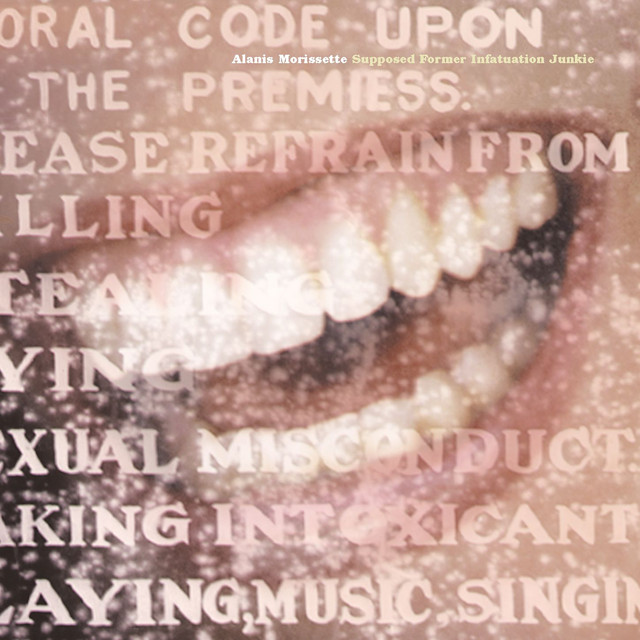
The late 90s marked a significant shift in the portrayal of women in music. Female artists were no longer confined to the roles of mere muses or romantic interests. Instead, they began asserting their identities and experiences, carving out a space for genuine self-expression. Alanis Morissette's 'Thank U,' from her fourth studio album, Supposed Former Infatuation Junkie (1998), stands as a defining anthem of this era.
A Personal and Universal Gratitude
'Thank U' is not your typical empowerment anthem; it doesn’t scream defiance but rather whispers profound gratitude. The song is a reflection on Morissette's journey through pain and personal growth, showcasing how vulnerability can be a form of strength. By expressing appreciation for the challenges she faced, Morissette redefines the narrative around female resilience.
"Thank you India, thank you terror, thank you disillusionment"
These lyrics illustrate her willingness to embrace every experience, good or bad, as a vital part of her growth. In a decade rife with anger and angst, Morissette's approach was refreshingly introspective. She wasn't just fighting against societal norms; she was actively engaging with them, reflecting on how they shaped her.
Production and Context
Produced by Morissette and Glen Ballard, 'Thank U' features a minimalist sound that complements its lyrical depth. The acoustic arrangement allows her voice to take center stage, emphasizing the raw honesty of her delivery. This aligns with a broader trend in the 90s where artists like Fiona Apple and Tori Amos stripped back their sound to highlight emotional authenticity.
Did you know? 'Thank U' was inspired by Morissette's travels in India, where she experienced a spiritual awakening.
Contrasting the 90s Landscape
In contrast to the aggressive tones of grunge and the polished pop of the era, 'Thank U' stands out as a meditative piece. While artists like Courtney Love and Alanis herself in songs like 'You Oughta Know' expressed anger and frustration, Morissette's gratitude offers a different perspective on female empowerment. It's about reclamation, not just of anger but of peace.
"Thank you for the space you made me"
This line encapsulates the essence of self-empowerment. It’s a declaration that acknowledges the importance of personal boundaries and self-worth. Morissette's ability to articulate these sentiments helped pave the way for future artists to explore similar themes without fear of judgment.
The Legacy of 'Thank U'
'Thank U' has continued to resonate with listeners long after its release. It has been embraced by new generations seeking solace in its message of self-acceptance and gratitude. The song's influence is evident in the work of contemporary artists like Lizzo and Halsey, who similarly blend vulnerability with empowerment.
A Lasting Impact
As part of Supposed Former Infatuation Junkie, 'Thank U' serves as a critical piece in Morissette's discography and the 90s music scene. It challenges the notion that empowerment must be loud and aggressive; instead, it shows that sometimes, the quietest acknowledgments can be the most powerful. In a world that often encourages women to fight back, Morissette invites us to pause and thank the experiences that shape us.