Jazz Fusion Meets Pop Sensibility
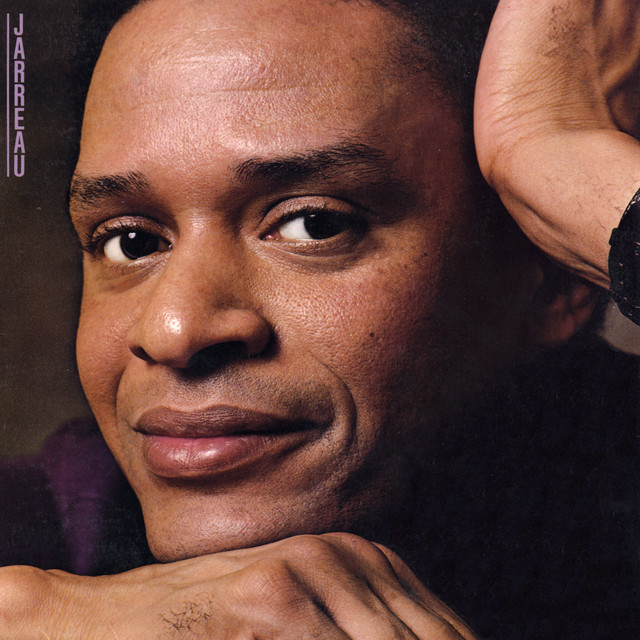
Al Jarreau's "Mornin'" is more than just a pop hit; it's a masterclass in jazz-infused songwriting. Released in 1983 as the lead single from his album Jarreau, the track showcases Jarreau’s extraordinary vocal agility, melding smooth melodies with intricate rhythms that would make any jazz aficionado nod in appreciation.
The Vibe of the Morning
The song opens with a soft, inviting piano line, setting the stage for Jarreau's silky vocals. His ability to blend pop with jazz elements is evident from the start, as he sings about the promise of a new day with a tone that feels both uplifting and reflective. The lyrics evoke a sense of freshness, perfectly matching the early morning vibe.
"Just to see the sunshine, just to see the sunshine"
This line encapsulates the song's essence, portraying an everyday moment imbued with joy and hope. The phrasing and delivery are so jazz-like, drawing on improvisational techniques that highlight Jarreau’s background in jazz.
Rhythmic Sophistication
One aspect that sets "Mornin'" apart is its rhythmic complexity. The song employs syncopation that gives it a bounce, allowing Jarreau to play with timing in a way that feels organic and spontaneous. This jazz influence transforms what could be a straightforward pop song into a sophisticated listening experience.
Produced by the legendary David Foster and featuring a blend of musicians, including jazz greats, the arrangement is intricately layered. The use of horns and a rhythm section that swings creates a rich backdrop, showcasing how Jarreau straddles the line between different genres without losing his identity.
Vocal Mastery
Jarreau's vocal prowess is perhaps the pillar that holds the song together. His use of scatting and dynamic range brings a jazz authenticity that is rare in pop music. Lines like
are delivered with a playful energy that invites listeners into his world."And I can feel the morning coming, it's a brand new day"
The Influence of Jazz Standards
There’s a nod to jazz standards throughout the song, particularly in Jarreau’s phrasing and melodic choices. His ability to bend notes and create unexpected vocal runs is reminiscent of jazz legends like Ella Fitzgerald. This connection to jazz roots gives "Mornin'" a timeless quality, appealing to both pop and jazz lovers alike.
Beyond Genre Boundaries
While "Mornin'" was a commercial success, reaching the top of the Billboard Jazz charts among others, its appeal lies in how it challenges genre boundaries. Jarreau's unique style, characterized by its blend of jazz, pop, and R&B, paved the way for future artists looking to experiment with their sound.
Interesting fact: "Mornin'" was the first of three singles released from the album Jarreau, which became his third consecutive #1 album on the Billboard Jazz charts.
A Lasting Legacy
Ultimately, Al Jarreau's "Mornin'" stands as a testament to the power of jazz influences in popular music. Its intricate melodies, rhythmic sophistication, and Jarreau’s vocal innovation create a listening experience that transcends its era. The song invites listeners to appreciate the artistry behind its creation, making it a timeless piece in the annals of both jazz and pop music.