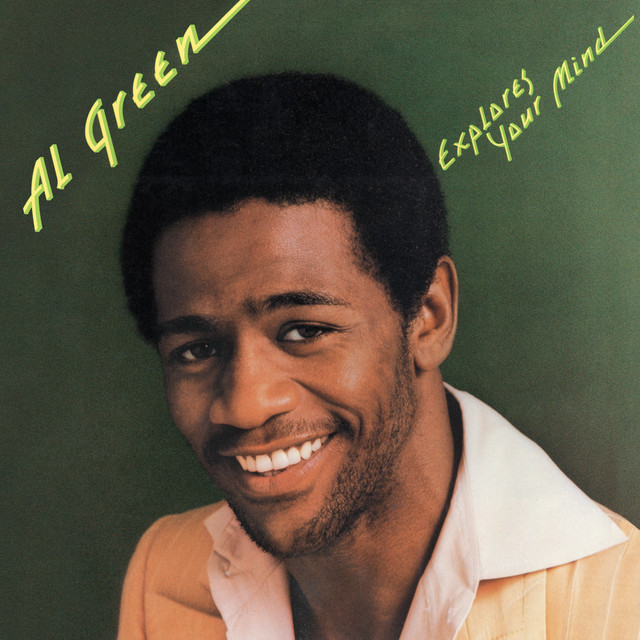
The Birth of a Soul Classic
Released in 1974, Al Green's "Take Me to the River" is more than just a soulful anthem; it's a deep, emotional narrative that channels personal pain into a transformative experience. Written by Green and guitarist Mabon "Teenie" Hodges, the song stands as a testament to Green's ability to merge his life experiences with the artistry of soul music.
A Personal Struggle
At the time of its writing, Green was navigating the tumultuous waters of fame and personal turmoil. His relationships were often fraught with difficulties that would later inform his music. The urgency in his voice during "Take Me to the River" reflects a yearning for redemption and solace, making it a profound exploration of his inner struggles.
Interestingly, Al Green's soulful style was heavily influenced by gospel music, which he embraced after becoming an ordained pastor.
Emotional Depth in Lyrics
The lyrics serve as a powerful vehicle for Green's pain. When he sings about being "washed in the river," he's not just referencing a physical journey; he's expressing a desire for purification and healing. This metaphor resonates throughout the song, capturing a sense of vulnerability that many listeners can relate to.
"Take me to the river, drop me in the water."
Here, the river symbolizes both a literal and metaphorical cleansing, echoing the struggles he faced in his personal life. This yearning for renewal is echoed in the musical arrangement, which combines gospel elements with a funky rhythm that invites listeners to move while contemplating deeper themes.
The Sound of Transformation
The production of "Take Me to the River" is just as pivotal as the lyrics. With Hodges on guitar and a tight rhythm section, the song creates a lush soundscape that underscores Green's emotive performance. The combination of lush instrumentation with Green's heartfelt delivery creates a space where pain and joy coexist.
Legacy and Influence
Green's impact on soul music cannot be overstated. "Take Me to the River" has been covered by numerous artists, including Syl Johnson and Talking Heads, each interpreting the song through their unique lens. This speaks to the song's universal themes of longing and redemption, transcending its origins while still rooted in Green's personal narrative.
"I don’t know why I love you, but I do."
This line captures the essence of Green's emotional conflict, showcasing the complexities of love and pain intertwined. It’s a moment that encapsulates the duality of human experience, a theme that runs throughout his work.
A Soulful Redemption
Ultimately, "Take Me to the River" is a testament to Al Green's profound ability to transform personal pain into a soulful narrative that resonates with listeners across generations. His journey from heartbreak to healing is a reflection of the broader human experience, where music serves not only as a form of expression but as a means of redemption.
As Green continues to perform and inspire, his legacy remains a vibrant part of the soul music canon. "Take Me to the River" stands out as a beacon of emotional authenticity, showcasing how the most profound art often emerges from our deepest struggles.