Al Green's Soulful Interpretation
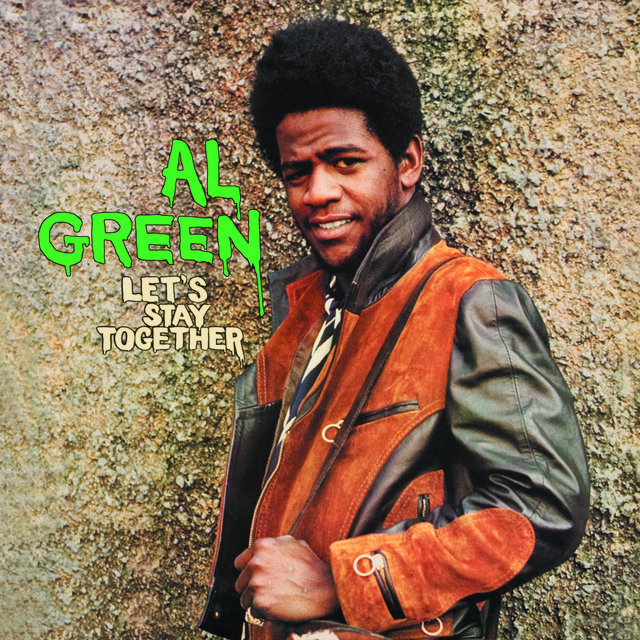
When Al Green took on the Bee Gees’ "How Can You Mend a Broken Heart" in 1972, he didn't just cover a song; he infused it with the weight of his own emotional experience. Originally released by the Bee Gees on May 28, 1971, the song is a meditation on heartbreak. Green’s version, found on his album "Let's Stay Together," is a masterclass in emotional delivery, rooted in the rich traditions of blues and soul.
The Pain of Heartbreak
The essence of blues is pain, and Green embodies this with a voice that feels deeply personal. His delivery transforms the lyrics into a lament that feels like a conversation with a close friend. The way he sings, "How can you mend a broken heart? / How can you stop the rain from falling down?" evokes a longing that transcends the words themselves. It’s the type of raw, unfiltered emotion that only a true soul artist can convey.
Musicality Meets Emotion
Musically, Green's arrangement drips with the lushness of soul, featuring smooth strings and a gentle rhythm that invites listeners into his world of pain. The instrumentation isn’t just a backdrop; it serves as an emotional palette. The interplay of the horns and strings complements Green's voice, emphasizing the melancholy inherent in the lyrics.
Blues and Its Influence
Blues music has always been about storytelling, often chronicling personal loss and heartache. Green’s roots in the genre shine through in his vocal phrasing and expressive delivery. He knows how to stretch a note, wielding it like a weapon against sorrow. Every note is infused with the history of artists like B.B. King and Otis Redding, who also transformed pain into profound musical experiences.
"How can you mend a broken heart?"
This question hangs in the air, powerful and haunting. In the hands of a lesser artist, it might have been just a lyrical inquiry. For Green, it becomes a cry for understanding, a plea that resonates with anyone who has ever faced love's inevitable trials.
Vocal Techniques and Emotional Nuance
Green's use of dynamics is particularly noteworthy. He shifts effortlessly between soft, tender moments and powerful, belting crescendos. This technique is reminiscent of the call-and-response style found in traditional blues, where the singer's emotional intensity rises and falls like the tide. It’s not just a performance; it’s a shared experience, inviting listeners to reflect on their own heartaches.
The Cultural Context
The early '70s were a tumultuous time in America, marked by social upheaval and change. Soul music emerged as a voice for those grappling with pain, love, and loss. Green's rendition of "How Can You Mend a Broken Heart" fits seamlessly into this cultural milieu, offering solace and understanding through its beautifully crafted melody and heart-wrenching lyrics.
Al Green’s cover of "How Can You Mend a Broken Heart" became one of his signature songs, showcasing his ability to blend the best elements of soul and blues.
A Lasting Legacy
Ultimately, Al Green’s interpretation is a timeless reminder of the power of emotion in music. His rendition of the Bee Gees' classic is not merely a cover; it's a reimagining that pays homage to the blues and soul traditions while carving out its own identity. In the hands of Green, the question of mending a broken heart becomes not just a lyric but a universal experience, echoing through the ages.