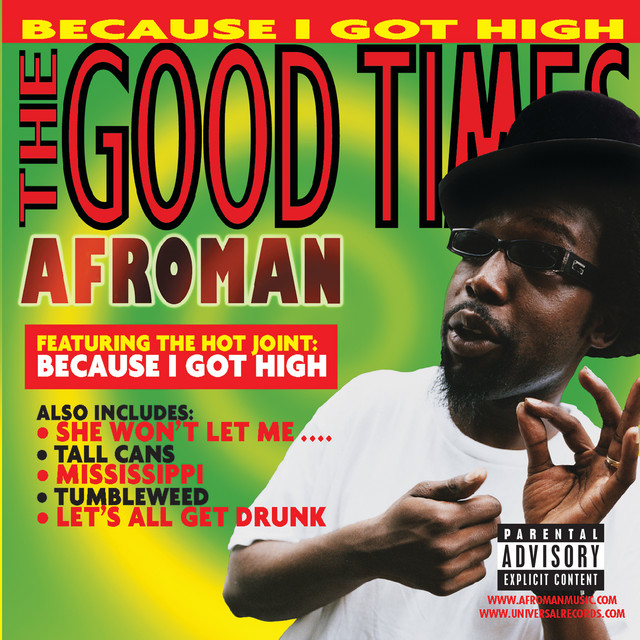
The Origins of 'Crazy Rap'
Afroman's "Crazy Rap (Colt 45 & 2 Zig Zags)" is as notorious for its humorous storytelling as it is for its catchy hook. Released in 2000 on his album Sell Your Dope, the track catapulted the rapper into pop culture consciousness. This song is a vivid recollection of escapades that, while exaggerated, reflect the absurdity of Afroman's real-life experiences.
Real Life Inspirations
At its core, "Crazy Rap" recounts a series of outrageous events that blend reality with Afroman's unique sense of humor. The lyrics depict a carefree lifestyle filled with partying, smoking, and the occasional run-in with the law. The repeated refrain,
, serves as both a celebration and a nod to the culture surrounding casual drug use in the late '90s and early 2000s."Colt 45 and 2 zig zags, baby that's all we need"
The song's narrative structure allows Afroman to weave together various anecdotes, painting a picture of a life filled with spontaneity and mischief. His storytelling technique is reminiscent of classic hip-hop, where rappers share tales from their lives to create a connection with their audience.
The Party Atmosphere
One of the most memorable aspects of Afroman's storytelling is the laid-back, party-centric environment he creates. He describes scenes that many can relate to but few would dare to admit publicly. Lines like
highlight this camaraderie and the carefree attitude that defines youth culture."I got a friend named D, he's a real good friend"
While the song revels in a party atmosphere, it also hints at the darker side of this lifestyle. Afroman's ability to juxtapose humor with the seriousness of drug use and its consequences is what makes the track resonate with listeners. It’s a celebration, but also a cautionary tale wrapped in catchy beats.
The Aftermath and Cultural Impact
The release of "Crazy Rap" coincided with a time when hip-hop was exploring new themes of humor and absurdity. Afroman, with his unique blend of storytelling and comedic flair, found a niche that allowed him to stand out. The song's success led to a surge of popularity on platforms like Napster and later, YouTube, where its irreverent charm continues to attract new fans.
Despite its light-hearted approach, "Crazy Rap" sparked conversations about drug culture and its portrayal in music. Afroman’s unapologetic recounting of his experiences presents a raw, unfiltered view of life that many fans appreciate, even if they might not personally endorse the lifestyle.
Legacy of 'Crazy Rap'
Years after its release, "Crazy Rap" remains a staple of early 2000s hip-hop. It’s often played at parties and gatherings, a reminder of a more carefree era. The song is not just a nostalgic anthem; it's a cultural artifact that encapsulates a specific moment in time when humor and hip-hop merged seamlessly.
Did you know? Afroman's real name is Joseph Edgar Foreman, and he began his music career in the late '90s, long before he became a household name.
In retrospect, Afroman's "Crazy Rap" is more than just a funny rap song; it’s a reflection of a lifestyle, a commentary on the absurdity of youth, and a lasting piece of hip-hop history.