Classical Roots in a Rock Anthem
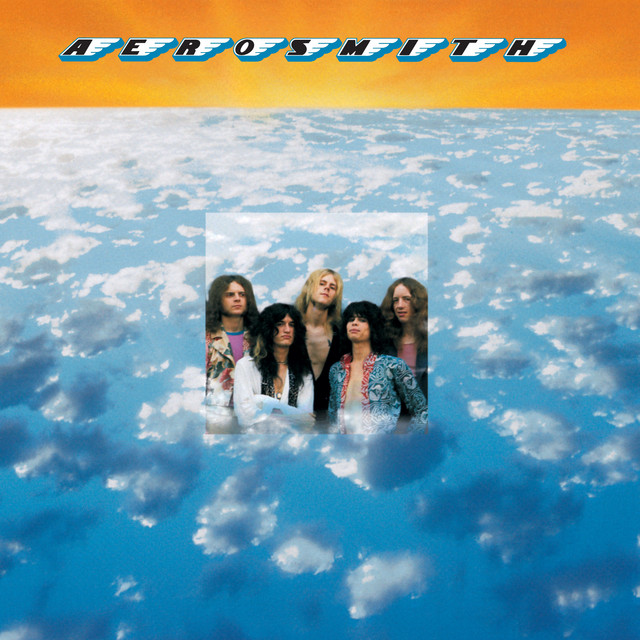
Aerosmith's "Dream On," released in 1973 on their self-titled debut album, is a power ballad that has transcended generations. But what many fans might not realize is that the composition was significantly influenced by classical music, a fact that adds layers to its emotional depth.
Written by lead singer Steven Tyler, the song opens with a haunting piano intro that sets a dramatic tone. This is not just a standard rock ballad; it draws from the grandiosity often found in classical compositions. The interplay between the piano and Tyler's soaring vocals creates an atmosphere reminiscent of a symphonic piece, suggesting that the band was not merely aiming for commercial appeal but rather for artistic expression.
Melodic Structure and Classical Influence
The melodic structure of "Dream On" showcases a clear classical influence, particularly in its use of arpeggios and intricate chord progressions. Tyler's vocal delivery, especially during the chorus, evokes the operatic style often seen in classical music. As he sings,
, there's a sense of urgency and yearning that mirrors the emotional crescendos of classical compositions."Sing with me, sing for the year, sing for the laughter, sing for the tear..."
Music historians have noted that Tyler's approach to songwriting was influenced by his admiration for classical composers. The way he builds tension in the verses, gradually leading to the explosive chorus, echoes the climactic arcs found in symphonic works. This technique not only highlights his vocal prowess but also elevates the song to something more than just a rock anthem.
Instrumentation and Arrangement
The arrangement of "Dream On" further reflects its classical roots. The gradual layering of instruments—starting with the piano, then adding strings and finally the full band—parallels the orchestral build-ups of classical music. Producer Adrian Barber, who worked on the band’s debut, allowed this grand vision to flourish, resulting in a track that feels both intimate and larger-than-life.
Did you know? Steven Tyler originally wrote "Dream On" when he was just 17 years old, showcasing his early appreciation for complex musical structures.
The use of dynamics is also crucial here. The soft piano verses contrast sharply with the powerful, guitar-driven chorus, a hallmark of both rock and classical music. This push and pull creates an emotional rollercoaster, engaging listeners on multiple levels. It's a technique that has been emulated by countless artists since, but few have done it with such raw authenticity.
Legacy of Classical Influence
"Dream On" has not only become a staple of rock music but also serves as a bridge between genres. It opened doors for future rock bands to incorporate classical elements into their work, influencing acts like Metallica and Muse, who often blend rock with orchestral arrangements. Its legacy is a testament to the power of musical cross-pollination.
In the larger context of Aerosmith's career, "Dream On" was a defining moment. It established the band as more than just another rock group in the 70s. They emerged as artists willing to explore and experiment with their sound, paving the way for the power ballads that would dominate the charts in the following decades.
A Timeless Appeal
As listeners, we often find ourselves drawn to the emotional weight of a song, and "Dream On" delivers that in spades. The classical influences embedded within its structure and arrangement contribute to its timeless appeal. Nearly fifty years after its release, the song continues to inspire and resonate with new generations, proving that true artistry knows no bounds.
In an era where music is often categorized and compartmentalized, Aerosmith's "Dream On" stands as a reminder of the beauty that can arise from blending genres, and the unexpected ways classical music can inspire rock legends.