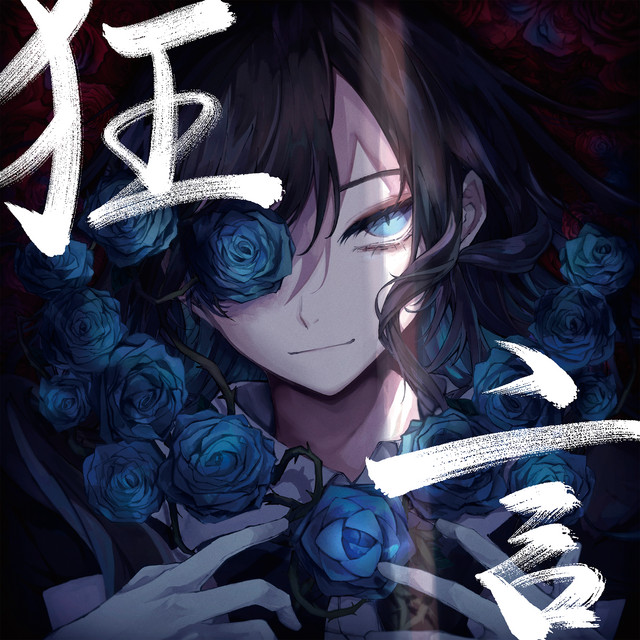
Visual Rebellion in 'Usseewa'
Ado's debut single "Usseewa" isn't just a sonic explosion; it also serves as a vivid canvas for rebellion. Released on October 23, 2020, this track quickly topped charts, including Billboard, and resonated with a generation grappling with societal pressures. The accompanying animation amplifies the song's anti-establishment ethos, transforming potent lyrics into a visual spectacle that demands attention.
Animation that Reflects Chaos
The animation style in "Usseewa" mirrors the chaotic energy of Ado's vocal delivery. The visuals are a frenetic mix of bright colors, exaggerated expressions, and rapid movements, effectively encapsulating the song's core message: a rejection of societal norms. This is not a polished, idealized world; instead, it is raw and unfiltered, much like the sentiment expressed in Ado's lyrics. Lines like
punctuate the animation, reinforcing the urgency of her rebellion."Ussu, Ussu, Ussu, Ussu!"
Character Design as a Symbol of Rebellion
The characters in the animation are strikingly designed, each representing different facets of societal expectations. Ado herself is portrayed as a fierce, rebellious figure, challenging the status quo. The wild hairstyles and exaggerated features serve as a visual metaphor for breaking free from the confines of conformity. This choice emphasizes the idea that individuality is something to be celebrated, not suppressed.
Visual Metaphors for the Disenfranchised
Throughout the animation, there are recurring visual motifs that symbolize disenfranchisement. The chaotic scenes often depict characters being crushed under the weight of societal expectations, a powerful commentary on the pressure young people face today. Ado's repeated cries of defiance encourage listeners to break free, as illustrated by scenes of characters breaking chains or escaping from dark, confining spaces.
Ado's Authenticity and Relatability
Ado's animated persona is also deeply relatable, which adds to the song's impact. The exaggerated emotions portrayed in the animation capture the frustration and anger that many young people feel towards authority figures. The line
is visually represented through the character's defiant gestures, making it clear that this is not just music; it's a movement."You don't understand, so shut up!"
Sound and Vision: A Perfect Harmony
The synergy between Ado's powerful vocals and the frenetic animation creates an immersive experience. The driving beat and aggressive instrumentals complement the visual chaos, making the viewer feel the urgency and intensity of the message. This harmony elevates the song from mere auditory enjoyment to a multi-sensory confrontation with societal norms.
The Impact of 'Usseewa'
Ultimately, "Usseewa" and its animation serve as a rallying cry for a generation tired of being silenced. The visuals enhance the message of defiance, making it impossible to ignore. Ado has carved out a space for herself in the music industry, not just as a vocalist but as a visual storyteller. Her work is a reminder that art, in all its forms, can be a powerful tool for change.
Ado, born on October 24, 2002, became an overnight sensation with "Usseewa," illustrating the power of youth voice in contemporary music.